
Moving in Texas Heat: A Survival Guide for Austin and Dallas
Nobody schedules a move for the weather, and in Texas that means plenty of families load trucks on days the forecast reads like an oven setting. Austin and Dallas both run triple digits deep into September, so even a fall move here can turn into a hot weather event.
Heat changes how a move should run, from the hour the truck arrives to which boxes ride in your back seat. Our crews work in it all season, and the difference between a miserable moving day and a manageable one comes down to a handful of decisions made before the sun gets serious.
What is the safest way to move in Texas heat?
Start at first light and aim to finish loading before the mid afternoon peak, drink water on a schedule instead of waiting for thirst, keep the air conditioning running at both houses, put heat sensitive items in your car instead of the truck, and watch everyone for early signs of heat exhaustion. Those five moves cover most of the risk.
The morning start matters most. Loading between seven and eleven happens in survivable temperatures, while the same work at four in the afternoon happens in the hottest air of the day inside a metal box. Morning slots book first all summer, which is itself a reason to schedule early.
Schedule around the sun, not just the calendar
August gets the reputation, but September quietly delivers some of the meanest moving days of the year in both metros, and early October can still surprise you. If your dates are flexible, mid fall through spring is the comfortable window. If they are not, the schedule inside the day is your lever: earliest possible crew arrival, heaviest items first while everyone is fresh, and the truck positioned for the shortest possible carry.
Think about the two buildings too. Keep the AC running in the old house until the last box leaves, and get power and cooling started at the new house before the truck arrives. Crews unload faster into a cool house, and a 95 degree living room makes a terrible first impression on furniture and family alike.
What the heat does to your belongings
The inside of a box truck or trailer can pass 130 degrees on a Texas afternoon, and some belongings simply cannot ride there. Candles slump, vinyl records warp, crayons melt into modern art, aerosol cans turn hazardous, wine cooks, and electronics and batteries suffer in ways that show up weeks later. Houseplants wilt fast, and anything glued, waxed, or made of soft plastic is at risk.
Build a ride along list and load it into your air conditioned car: electronics, medications, cosmetics, candles, records, wine, instruments if they fit, and every living thing. Ask the crew to load heat sensitive furniture and boxes last so they spend the fewest minutes in the truck, then unload them first on the other end.
Keeping every person on the job safe
Heat illness sneaks up on people doing exciting, distracting work, which describes moving day exactly. Stage water and electrolyte drinks in a cooler by the door, push everyone to drink every twenty to thirty minutes, and take real breaks in the shade or the AC. Watch for the early signals: headache, dizziness, cramps, clammy skin, or someone who suddenly goes quiet and pale. That person stops working, cools down, and hydrates, no negotiation.
Kids and pets belong somewhere cool and supervised, not in a house with doors propped open to 100 degree air. Older family members who insist on helping get inside jobs and veto power over nothing heavier than a lamp. Everyone wears light clothing and sunscreen that actually gets reapplied, because a moving day sunburn is a special kind of regret.
How professional crews handle summer differently
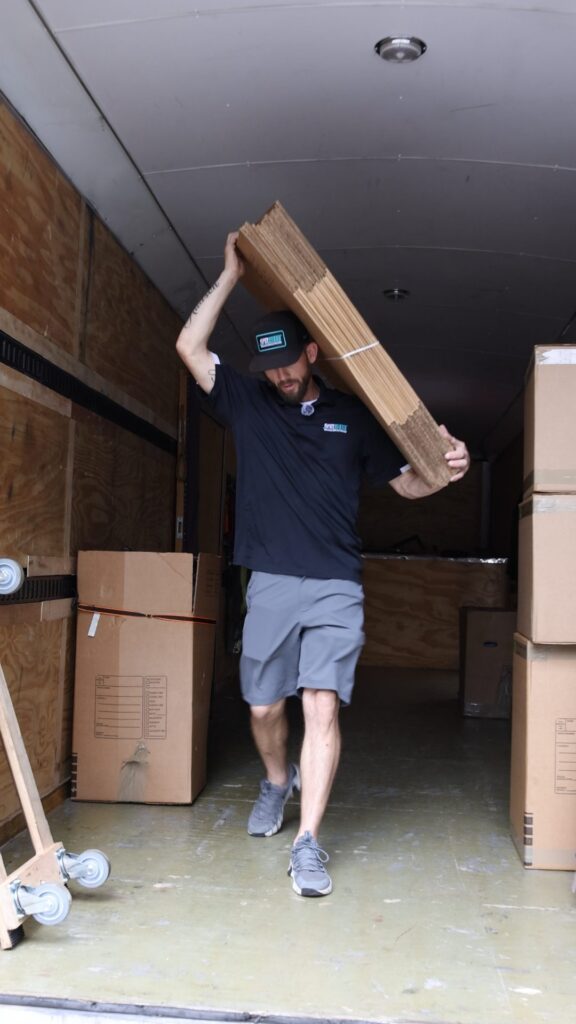
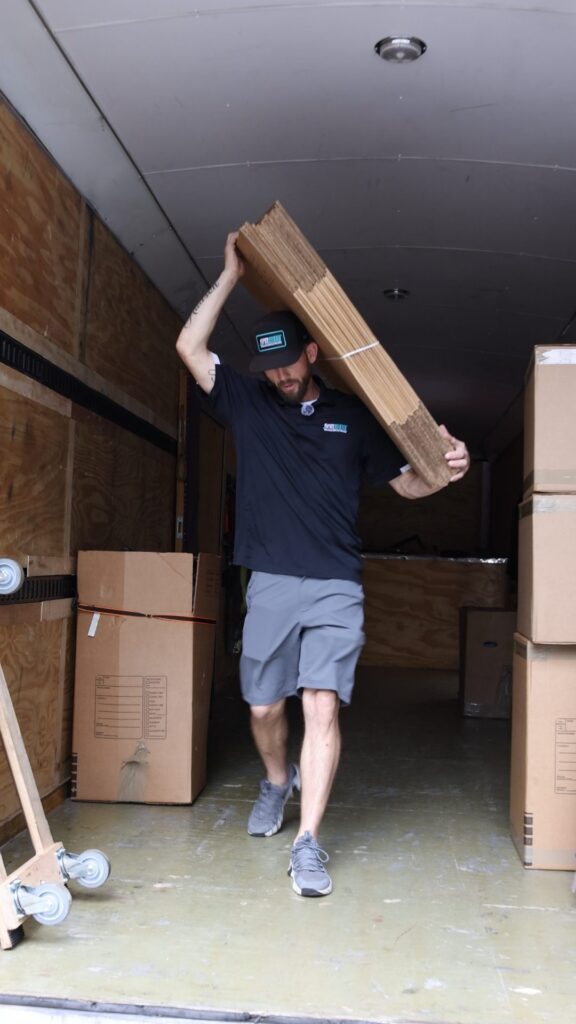
Watch an experienced Texas crew in July and the adaptations are everywhere. They start early and stage aggressively, building box walls in the garage or entry so the front door stays closed between trips. They rotate positions so nobody lives inside the truck box, they park for shade and the shortest carry path, and they pad the leather and wood pieces that would otherwise ride against hot metal walls.
They also pace differently, and it is deliberate. Heat punishes the sprint and rewards the steady rhythm, so a good crew looks almost unhurried while finishing on time. If you are hiring movers for a summer or early fall date, ask how they handle heat. A company with a real answer about start times, hydration, and load order is telling you it has done this before.
Bottom Line
Moving in Texas heat comes down to beating the clock and respecting the physics: morning start, cool houses on both ends, water on a schedule, heat sensitive items in the car, and a steady pace with real breaks. The heat is manageable when the plan takes it seriously. First Class Relocation & Storage runs hot weather moves across Austin and Dallas all season, and our crews bring the early start and the pace that gets families moved before the worst of the day, so ask for a morning slot when you book.
Related reading: our local moving services, Moving with Kids: A Family Guide for Austin


